









A CEO's personal brand: why a CEO should speak, write and run a website
Translated from Russian.
In short
For a long time I didn't use social media or talk about my work, because I was always working. This year I realised I'm strongest in sales, public speaking and strategy, which means a personal brand is part of my job as CEO. I'm at the very start: it hasn't brought the agency anything yet, and I'm still shy about filming myself. But you won't know until you try.
Why strong specialists stay quiet
I'm a hard worker. Like many hard workers, for a long time I didn't use social media, didn't appear in the media and said nothing about my work: I was always working.
Meanwhile, I'd sometimes look at people with a well-developed personal brand and, forgive me, honestly think: “Wow, he's so popular, and I'm definitely the stronger specialist. Why is that?” But it's a vicious circle. The strongest people often don't blog; they work. At least most of them.
Why I started anyway
This year I realised my strength. In Ichak Adizes' classification I'm an Entrepreneur. I can handle operations and have never been afraid to get my hands dirty. But I'm most effective in sales, public speaking and building strategies.
So here I am. A personal brand, in my view, is one of the direct duties of an entrepreneur-CEO.
I'm at the very start, so my brand hasn't given TELLER anything yet. I'm still shy about filming myself and posting it. I hope to get over that in 2027; for now I write letters.
My Telegram channel: I write when it comes
The description of my channel @makssgoo says: “I work a lot, I write spontaneously.” That's probably the most honest answer.
I tried to post regularly and even bought a couple of paid placements. But forcing myself to squeeze something out is really hard. So Telegram is more of an outlet for short formats. I write about whatever I enjoy: marketing, new masculinity, maybe a horror film review.
Public speaking: experience that adds up
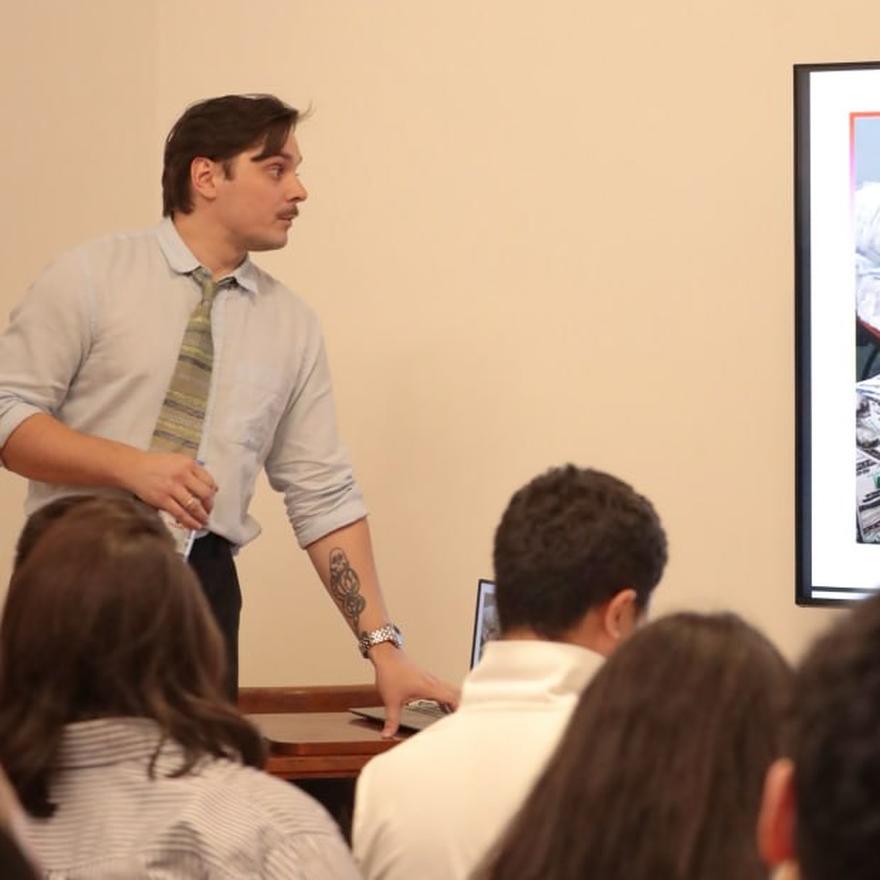
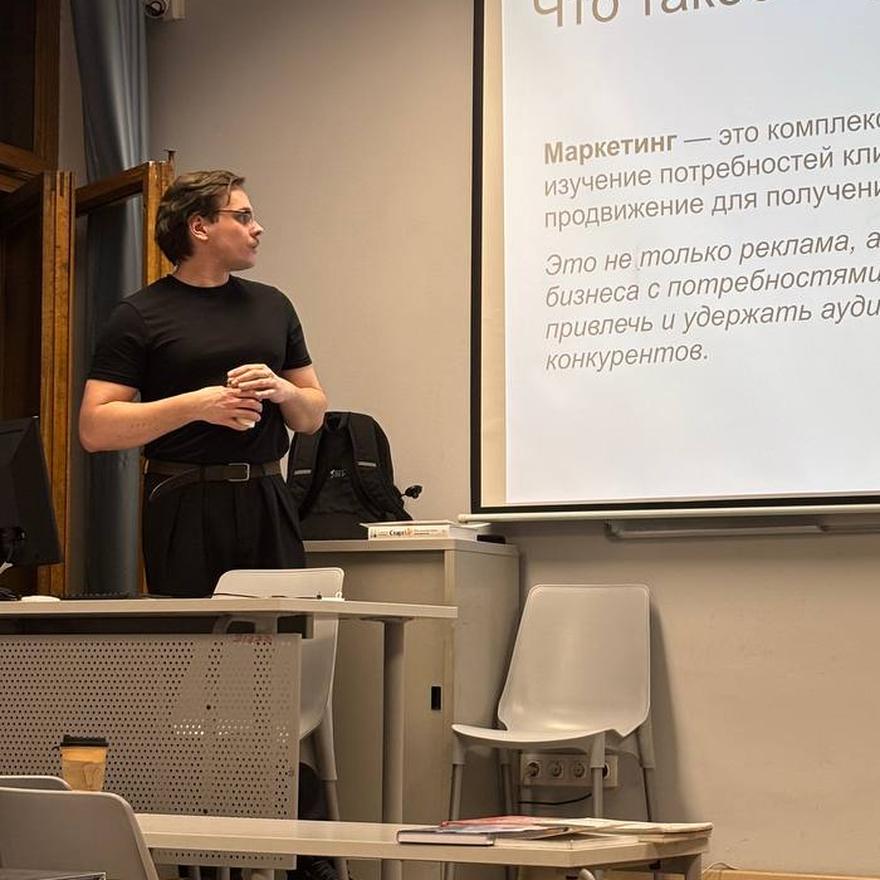
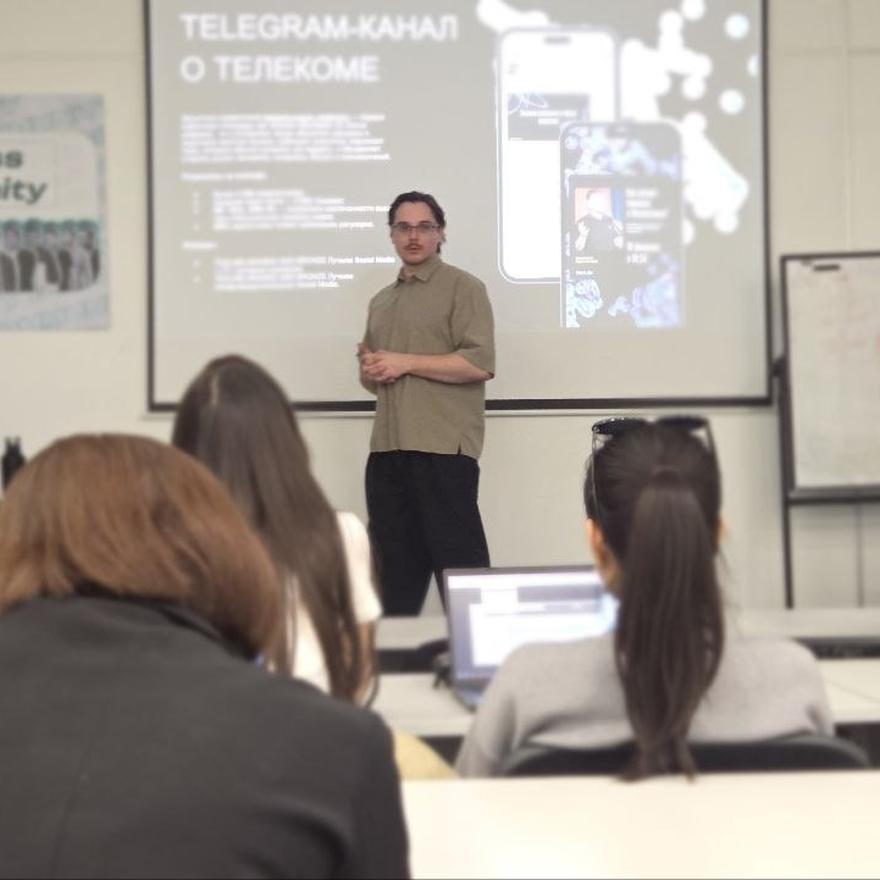
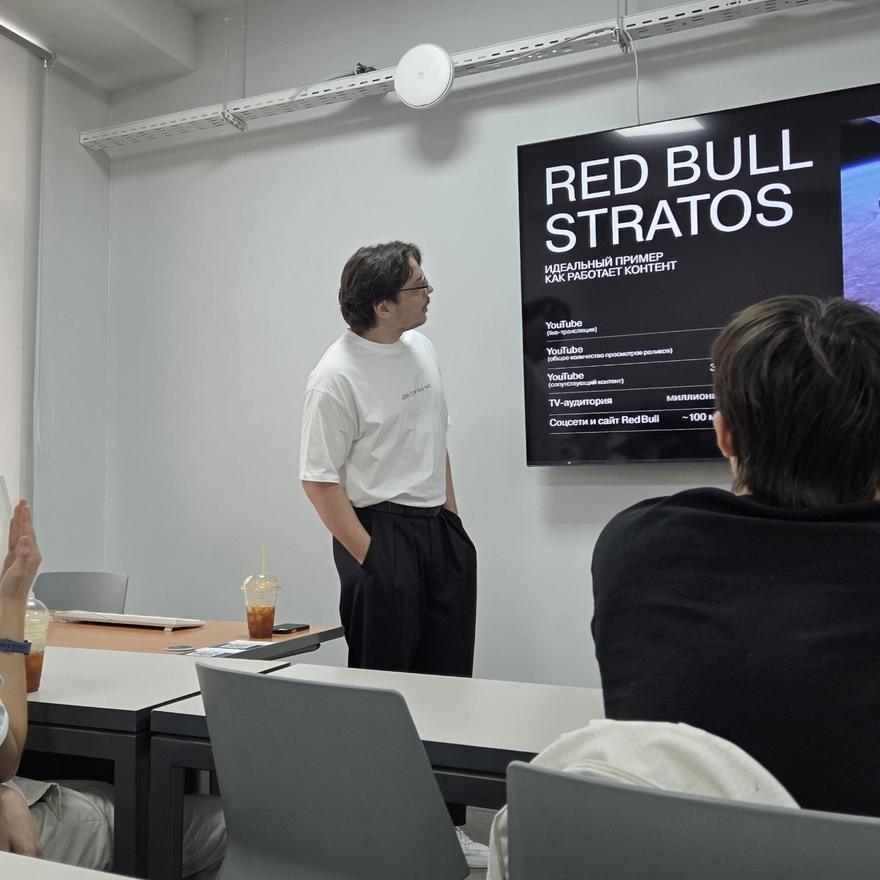
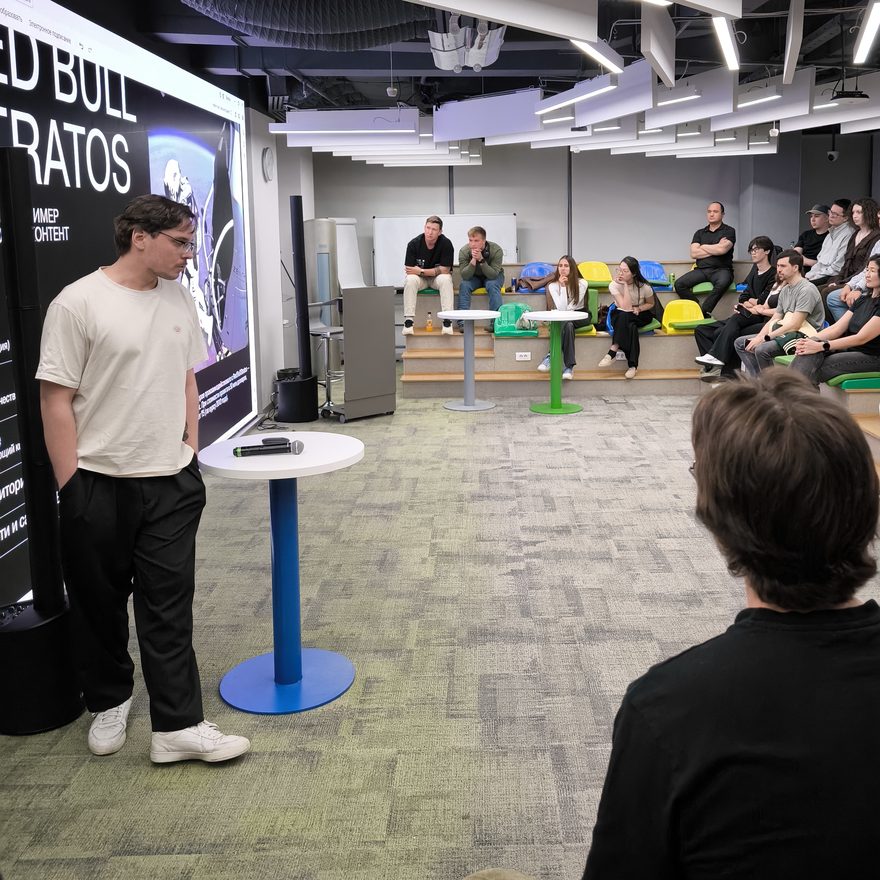
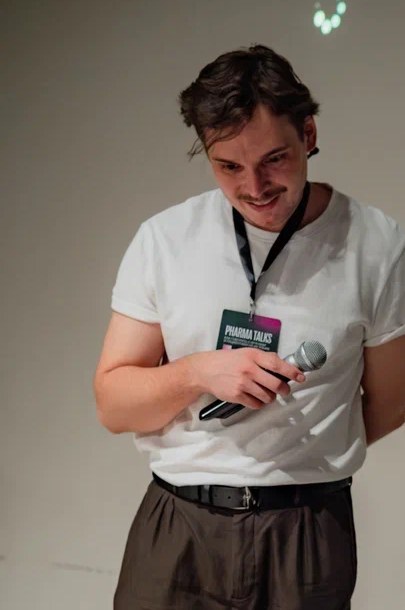
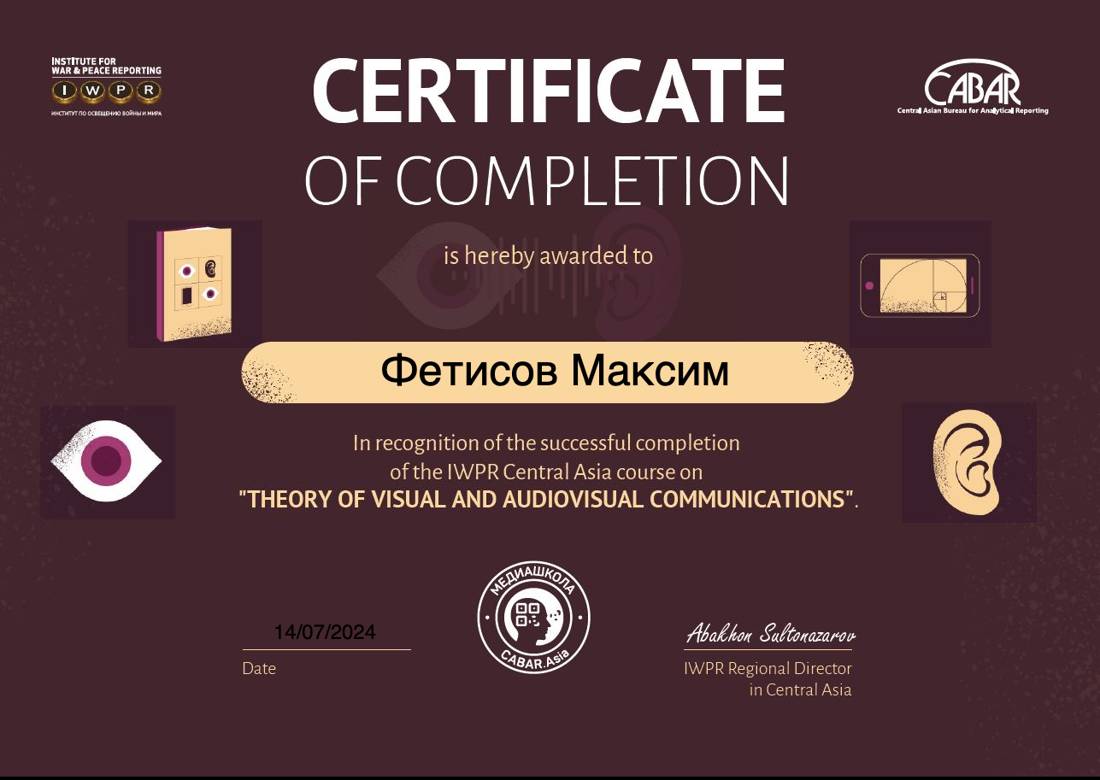
I get to conferences and universities in different ways: sometimes I'm invited, sometimes I offer myself. The main thing talks give you is experience of giving talks. Each one turns out better than the last.
There are side benefits too: links to you in coverage of the event, sometimes material or non-material bonuses, networking.
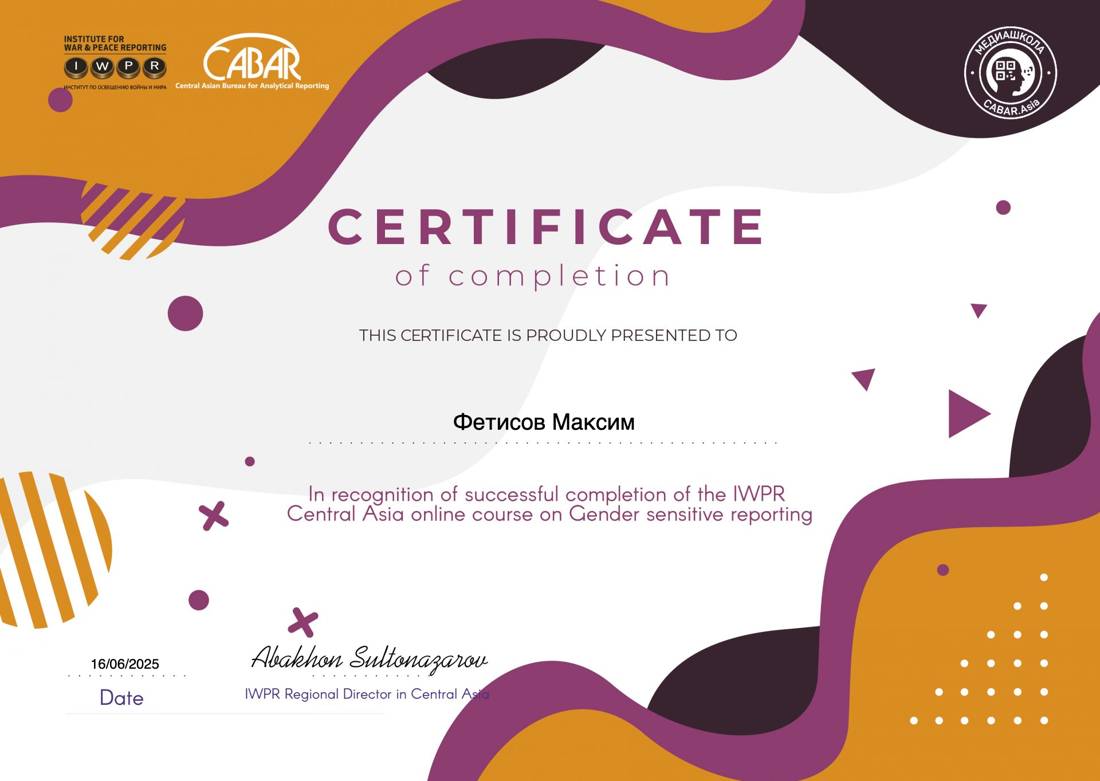
I especially like speaking to students. They have fresh minds: sometimes they ask unobvious yet very right questions, from an unexpected angle.
A personal website
I launched the website you're reading this on in early October 2026. It's too early to talk about results. I described in detail how it was made and why in a separate article.
→
How much time it takes
I try to give my personal brand at least an hour a day. It doesn't always work out: urgent work always comes first.
What a leader shouldn't do in public
Hurt people. Everything else is up for discussion.
Where to start if you think you can't write or speak
I think even Steve Jobs was, at a certain age, someone who had never given a talk. A dramatically banal thought, but you won't know until you try.
Key points
- Strong specialists often stay quiet because they're always working. It's a vicious circle.
- If your strength is sales and strategy, a personal brand is part of your job, not a hobby.
- You don't have to post on a schedule: a spontaneous but lively channel beats a forced one.
- Speaking improves itself: each talk is better than the last.
- An hour a day is enough, but urgent tasks will still come first.
- There's one thing you can't do in public: hurt people.
Want to invite me to speak? Message me on Telegram at @maximfetisov. Formats and terms are on the Services page.