Content that
Content that improves contact quality, builds community, amplifies performance, anticipates objections, sets you apart from competitors, shortens the sales cycle, grows a community, drives the category, explains the complex, lowers cost per lead, increases loyalty, collects first-party data and builds trust.
My name is Maksim Fetisov.
I'm a content strategist and CEO of the international agency TELLER.
I help brands turn what they want to say into what consumers want to hear.











Articles by Maksim Fetisov on content marketing in Kazakhstan
Content marketing case studies by Maksim Fetisov
Content marketing glossary: terms in plain words
Content marketing glossary: 21 terms in plain words
- Big Idea
The core idea that all of a brand’s content is built around. Not a slogan or a content series, but a thought from which formats, visuals and copy grow.
A good Big Idea connects what the business wants to say with what the audience wants to hear. If you can’t explain the idea in one sentence, it isn’t an idea yet.
→
- Brand media
A brand’s own media: a channel, magazine or account that talks not about the product but about what interests its audience. People read it not because it’s advertising, but because it’s interesting.
Brand media doesn’t pay off right away, but the audience stays with you, and every next contact costs less.
→
- Content marketing
Marketing in which a brand attracts people not with ads but with useful or interesting content. The task is to understand what interests the consumer and start making it on the brand’s behalf.
Content marketing doesn’t cancel advertising, but changes its role: ads help people find the content, and the content makes them stay.
→
- Content plan
A publishing schedule: what goes out, where and when. An SMM specialist puts it together in a couple of working days and updates it every month, or even every week.
A content plan without a strategy only works if a very strong marketer writes it. Otherwise it’s flowers planted on the wrong plot.
- Content strategy
A document that answers why and for whom a brand makes content: which formats and channels are needed at each stage of the funnel, who is responsible for what and how to measure the effect.
A strategy is made by a strategist, in two to three weeks at least, and reviewed once a quarter. It should be such that any team or agency could work from it.
→
- CPM
Cost per mille — the cost of a thousand ad impressions. The key metric for comparing the price of a contact across platforms.
CPM in Telegram is usually higher than on Instagram: there is no algorithm, so you pay for every view. But the contact is of higher quality.
→
- Editorial policy
A set of rules by which a brand writes and publishes content: topics we talk and don’t talk about, tone of voice, formats, the approval process.
It keeps content consistent in quality no matter who makes it. In pharma and fintech it also includes regulatory requirements and medical review of texts.
→
- ER (engagement rate)
The share of people who didn’t just see a post but reacted to it: liked, commented, saved or shared.
It is calculated in different ways: from reach or from the number of followers. So before comparing ER between two contractors, ask which formula each of them uses.
- ERR
Engagement rate by reach — the main metric of Telegram channels: what percentage of subscribers viewed a post. It is post reach divided by the number of subscribers.
If a channel has 10,000 subscribers and posts get 500 views, ERR is 5%. That’s a sign the channel has subscribers but no readers.
→
- Funnel
A person’s path from first meeting a brand to buying and buying again. At the top is awareness, in the middle interest and trust, at the bottom the decision.
Each stage has its own tasks, formats and metrics. A common mistake is trying to hard-sell to people who have only just heard of you.
- GEO
Generative Engine Optimization — optimizing for answers given by AI. The goal is the same as SEO: to be found. Only now people don’t search in a search engine, they ask ChatGPT.
AI models cite those who clearly answer real questions, back their answers with numbers and are mentioned in other sources. This site is my GEO experiment.
→
- In-house team
A company’s own marketing and content team, as opposed to an agency. It handles regular and showcase content well.
For complex formats, special projects and expertise the company doesn’t have, an in-house team usually needs a strategist or an agency.
→
- Information needs
What the audience searches for, doubts and fears before buying. Every business has them — from big pharma to the corner grocery store.
Good content addresses exactly these needs. Then people come to the brand on their own, organically, without being chased by ads.
→
- Insight
A non-obvious truth about the audience that communication can be built on. Not “mothers care about their children”, but something people don’t say themselves yet instantly recognise when they hear it.
Insights are found through research: interviews, comments, search queries. A Big Idea then grows out of the insight.
- KPI
Key performance indicators: the numbers you agreed on in advance to judge the work. In content, each stage of the funnel has its own KPIs: reach at the top, engagement in the middle, leads and sales at the bottom.
Without KPIs you can neither measure content nor improve it. “Publish 12 posts a month” is a plan, not a KPI.
→
- Reach
The number of unique people who saw a publication. Don’t confuse it with impressions: one person can see a post several times.
Reach is a top-of-funnel metric. On its own it sells nothing, but without it there is no one to engage and no one to turn into customers.
- Seeding
A paid placement of a post about your channel in another Telegram channel. The main way to bring subscribers to Telegram, which has no recommendation algorithm.
The price depends on the channel’s topic, reach and audience quality. Check the statistics before buying: channels with fake subscribers are more common than you’d like.
→
- Showcase content
Posts about the product itself: new arrivals, promotions, announcements, the range. Every business needs it, but on its own it doesn’t attract people: a shop window is looked at by those who have already come to the store.
Showcase content can be made by your own team and partly automated. If an account consists only of it, it’s not media, it’s a catalogue.
→
- Situational content
Content on a topical occasion: news, a trend, a meme, a holiday. It’s made quickly while the topic is hot.
That’s why a content plan has to stay flexible. The strategy sets which occasions the brand can react to and which it’s better to stay silent on.
- SMM strategy
The part of a content strategy about how the brand will live on specific platforms: where it is present, how it looks and sounds, who is responsible for what.
Today most of any content strategy is about social media, so I wouldn’t separate them. To continue the garden analogy: the strategy is the plot, the SMM strategy is the material for the fence.
- Tone of voice
A brand’s voice: how it talks to people. Formal or informal, joking or not, short sentences or long ones, which words it never uses.
Tone of voice is recorded in the editorial policy so that the brand sounds the same no matter who writes: the SMM manager, the agency or the CEO in the comments.
Content strategist services: consulting, content strategy, corporate training and talks
Consulting and content audit
One 90-minute meeting. I go through your task: channels, content and funnel. I show where content is losing you money and what to change first. A good entry point if you're not sure where to start.
- Format:
- online or in Almaty
- Meeting:
- 1.5 hours
- Plan:
- within a week
- For:
- marketing directors, brand managers, founders
- Price:
- 150,000 ₸
Content strategy
For companies that need a strategy not tied to any contractor, so your own team or any agency can work from it. Research into your audience, media landscape and competitors. The result is a system: which formats and channels you need at each stage of the funnel, who is responsible for what, and how to measure the effect.
- Timeline:
- 3–6 weeks
- Result:
- a document any team can work from
- Price:
- from 1,500,000 ₸
If TELLER Kazakhstan then handles production, the first three months come with a 10% discount.
Corporate training
I teach in-house teams to build content as a system: why each format exists, what it does at its stage of the funnel and how to measure it. We work on your channels and tasks, not someone else's examples.
- Format:
- 3 sessions, in Almaty or online
- For:
- in-house marketing, content and PR teams, brand managers
- Price:
- 300,000 ₸ per session (3 sessions — 900,000 ₸)
Talks at conferences and events
I talk about content marketing using examples from the Central Asian market: with numbers, mistakes and things you can apply the very next day.
- Format:
- offline or online
- Spoke at:
- STEPPE Fair, SEO meetup, Pharma Talks, KBTU, UIB, AlmaU
- Price:
- from 100,000 ₸, free for universities and NGOs
I do the thinking and build the system. If you need production, TELLER handles it, but that is a separate decision.
Discuss your projectAbout me: Maksim Fetisov, content strategist from Almaty
Maksim Fetisov
Content strategist and CEO of the content marketing agency TELLER Kazakhstan: 6+ years on the market, a team of 40+, projects in six countries. In content since 2018; I started out writing horoscopes. I live and work in Almaty. I love my wife, approved estimates and vintage ties. I came up with the meme about “masiki, chechiki, shtrikhi and tyubiki”.
I specialize in complex and regulated categories: pharma, fintech, telecom. But I also really enjoy consulting and working with FMCG and HoReCa, because my approach is the same everywhere:
Brand content should answer the audience's real questions and be something people would watch even without the brand. That's how what a business wants to say becomes what the audience wants to hear, and how projects attract real organic traffic.
That's just a small part of our .
Career: from horoscopes to running an agency
- TELLER Kazakhstan · CEO. Growing the agency, positioning in the Central Asian market, new markets and products.
- TELLER Kazakhstan · Senior Project Producer. Brand media and special content projects, training the project team.
- Royal Kusto · Key Account Manager, then COO. Key clients, managing account and SMM managers.
- teller.studio · Project Manager / Scout. Contractors, hiring, onboarding.
- Dzen · Influence Scout. Bringing in and producing creators.
- Everside · Sales / Account Manager. Sales at a web and app development studio.
- VK Mini Apps · Horoscope writer. Daily, yearly and paid forecasts for an astrology app. I wasn't an astrologer and had no copywriting experience either. Virgos are the best sign, obviously.
Awards
TELLER Kazakhstan projects where I was the strategist:
 Tagline Awards 2025 · Bronze
Tagline Awards 2025 · two bronzes
- Best Social Media of a telecom / IT / internet company —
- Best International Social Media — bailanys

Aq Mergen 2026 · two shortlists
- Marketing Communications — for Bayer
- Digital: digital communications and influencer marketing — bailanys
Testimonials
Maksim helped us understand our product more deeply than we expected. He built a clear logic for positioning and promotion — from understanding the audience to specific communication decisions.
As a result, we got not just texts but a coherent system: who we are, who we are for and why we are worth choosing. High speed, real involvement and a result that actually works.
I worked with Maxim on several projects for STADA Kazakhstan across Central Asia and Eurasia.
These included content-driven special projects and creative newsletters for omnichannel communication.
Throughout our collaboration, Maxim proved to be a responsible producer, consistently delivering high-quality client service.
Education
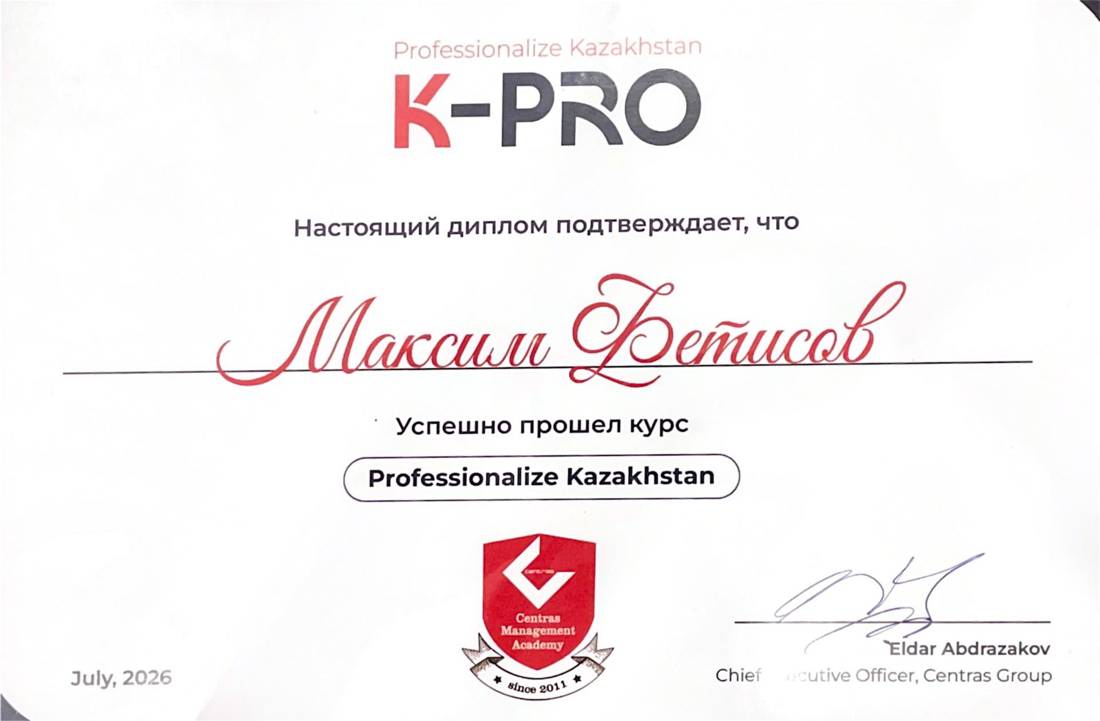
- Professionalize Kazakhstan (K-PRO), Centras Management Academy — 2026
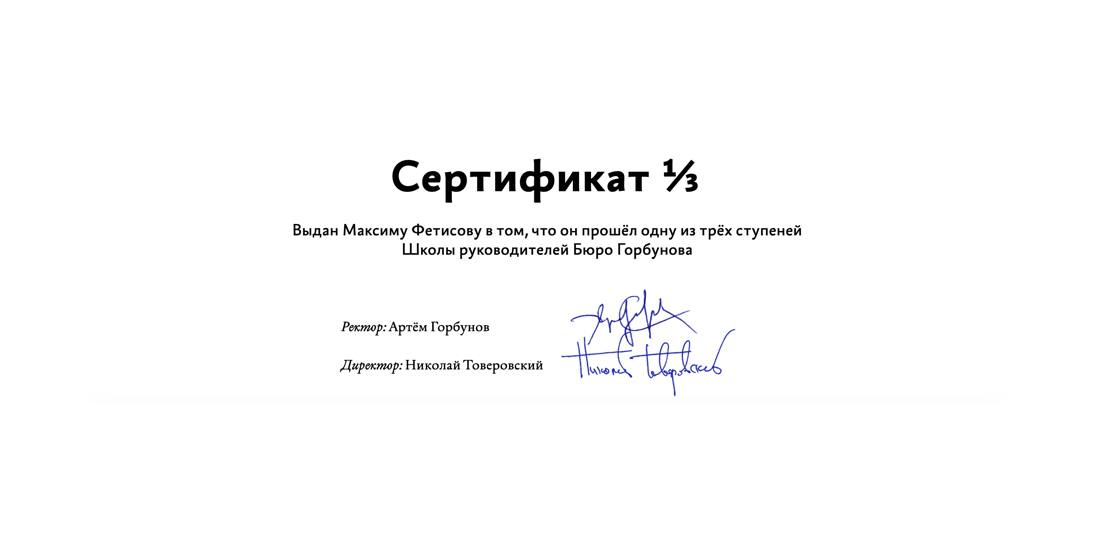
- Bureau Gorbunov School of Leadership — 2023
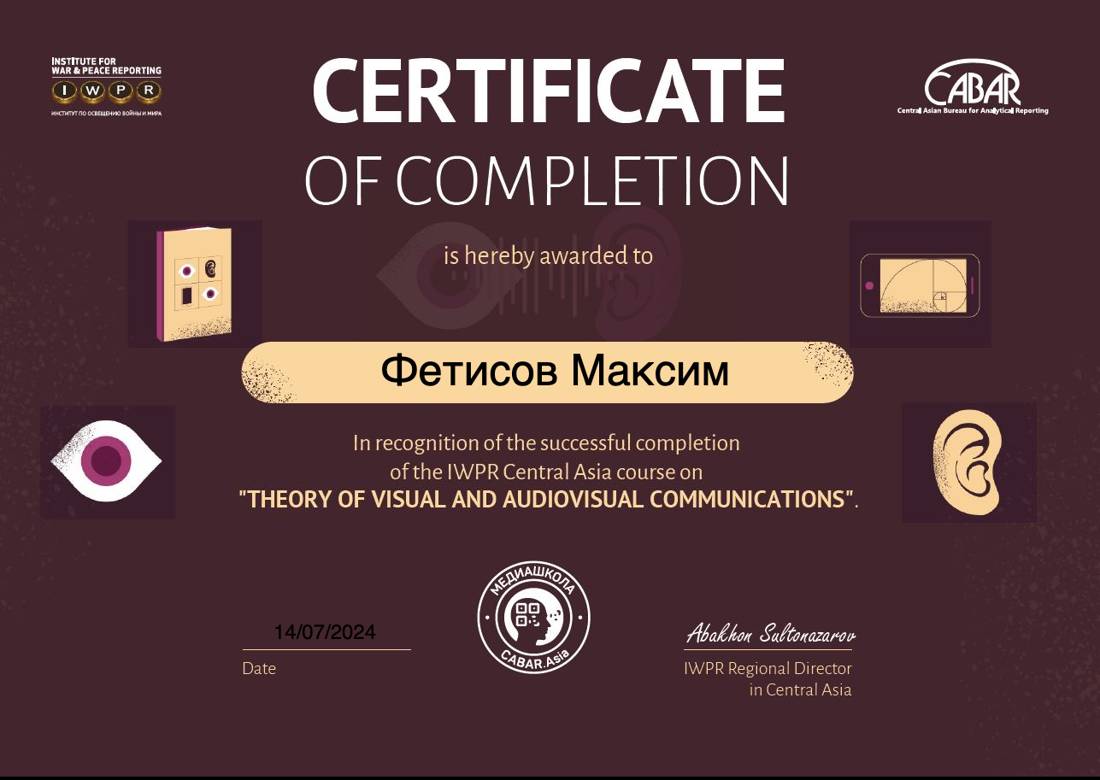
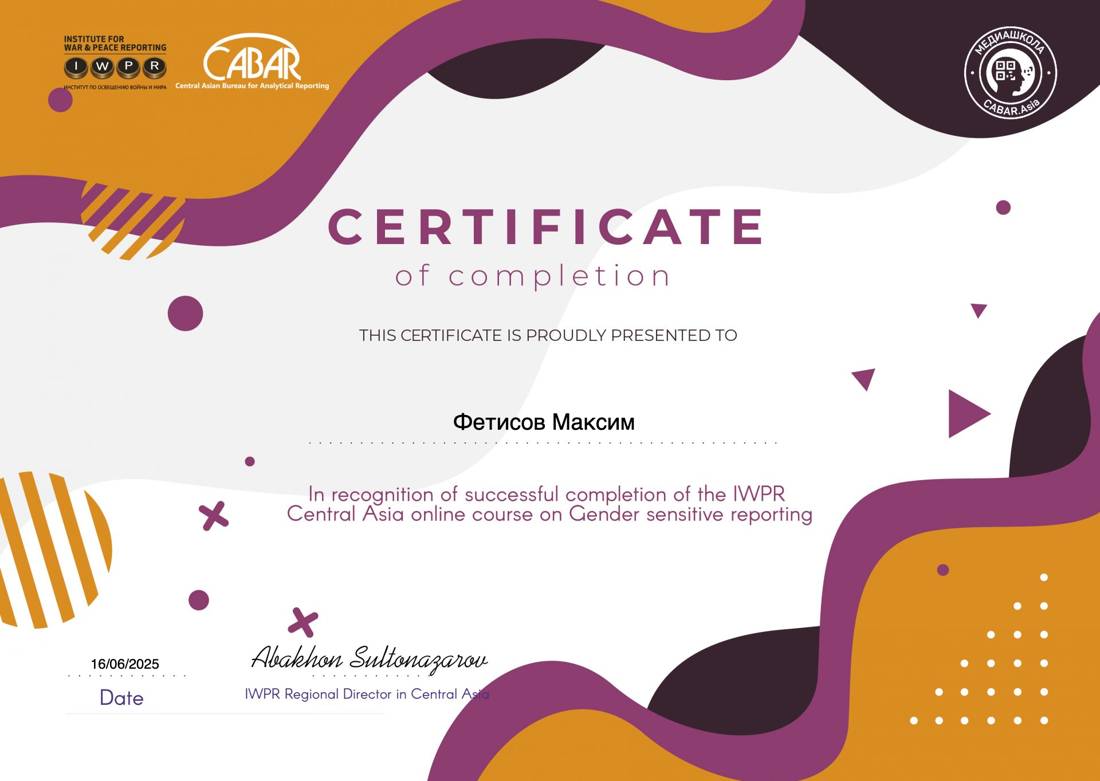
- CABAR.Asia Media School (IWPR): theory of visual and audiovisual communications — 2024; gender-sensitive reporting — 2025
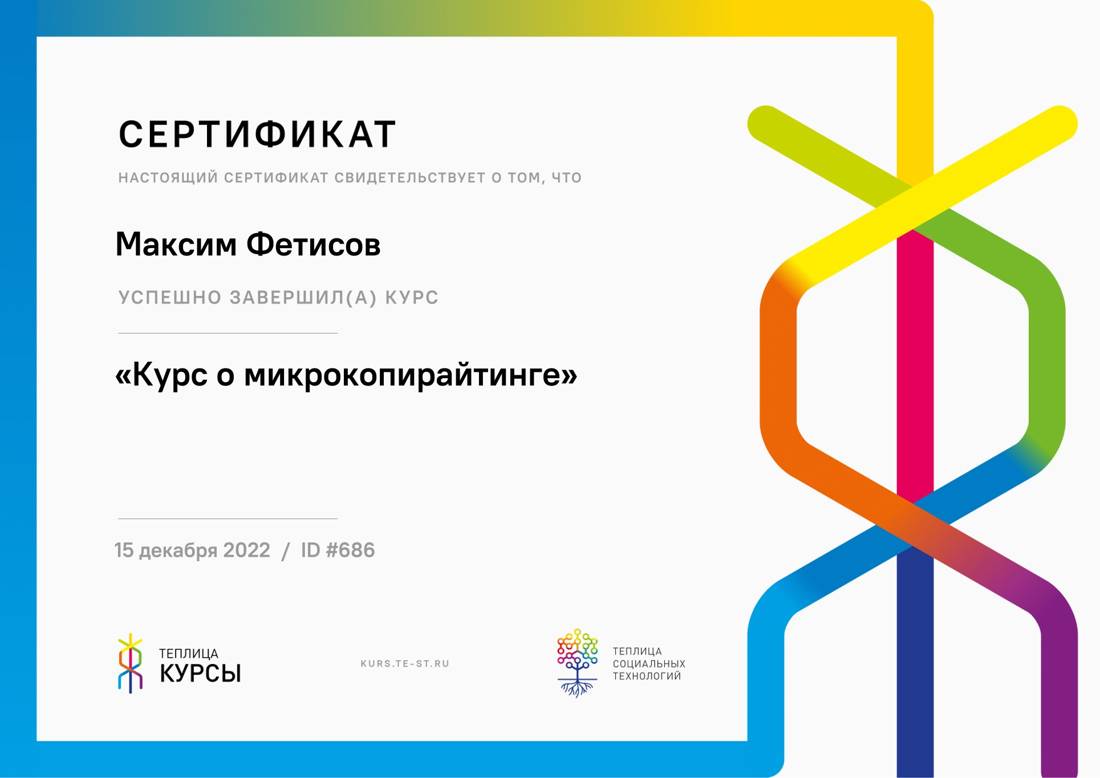
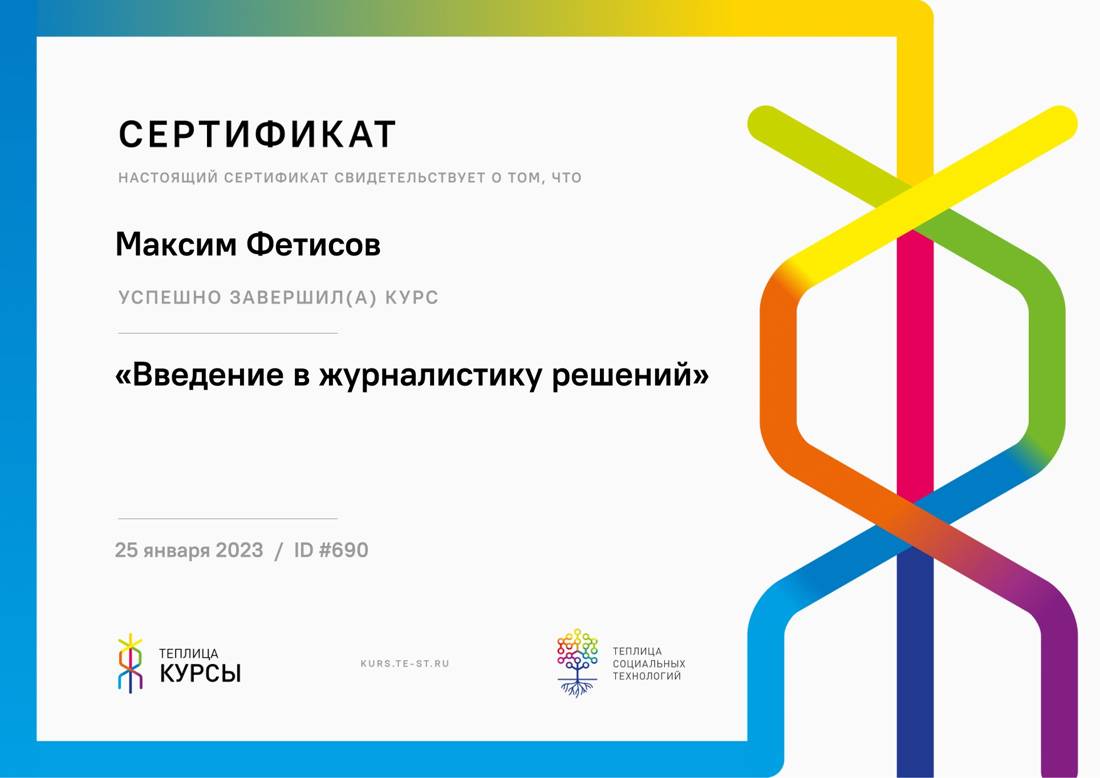
- Teplitsa of Social Technologies: microcopywriting — 2022; solutions journalism — 2023
Telegram channel
On @makssgoo I explain content marketing so that anyone can understand it, apply it to their own business and go do it. The channel is in Russian.
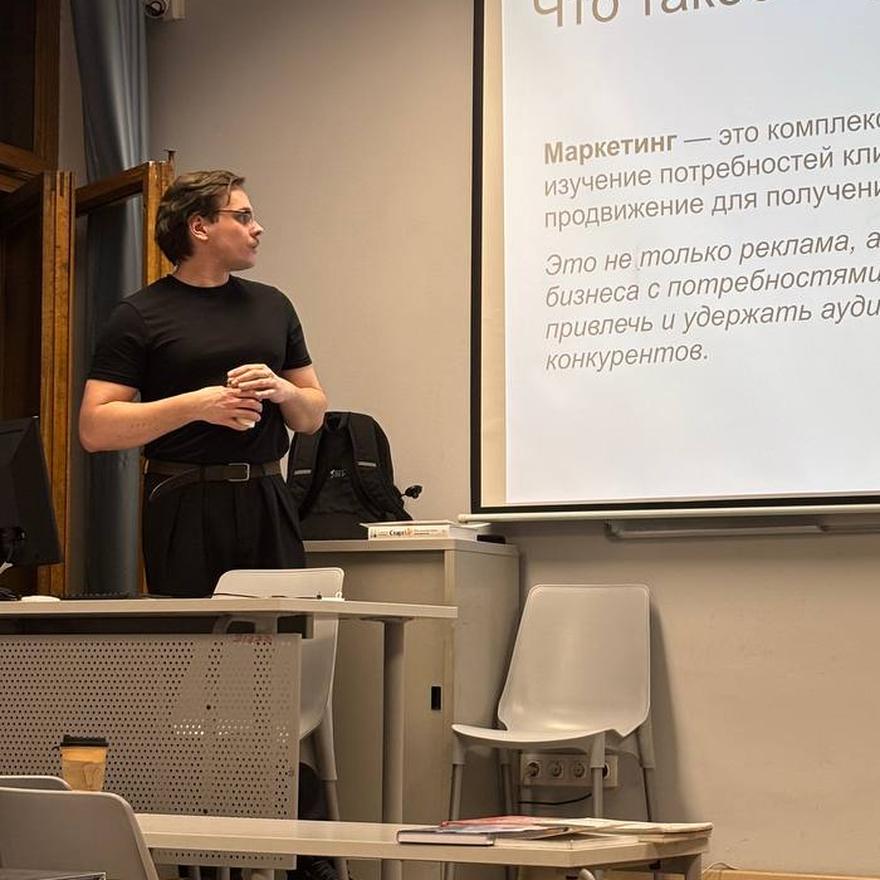
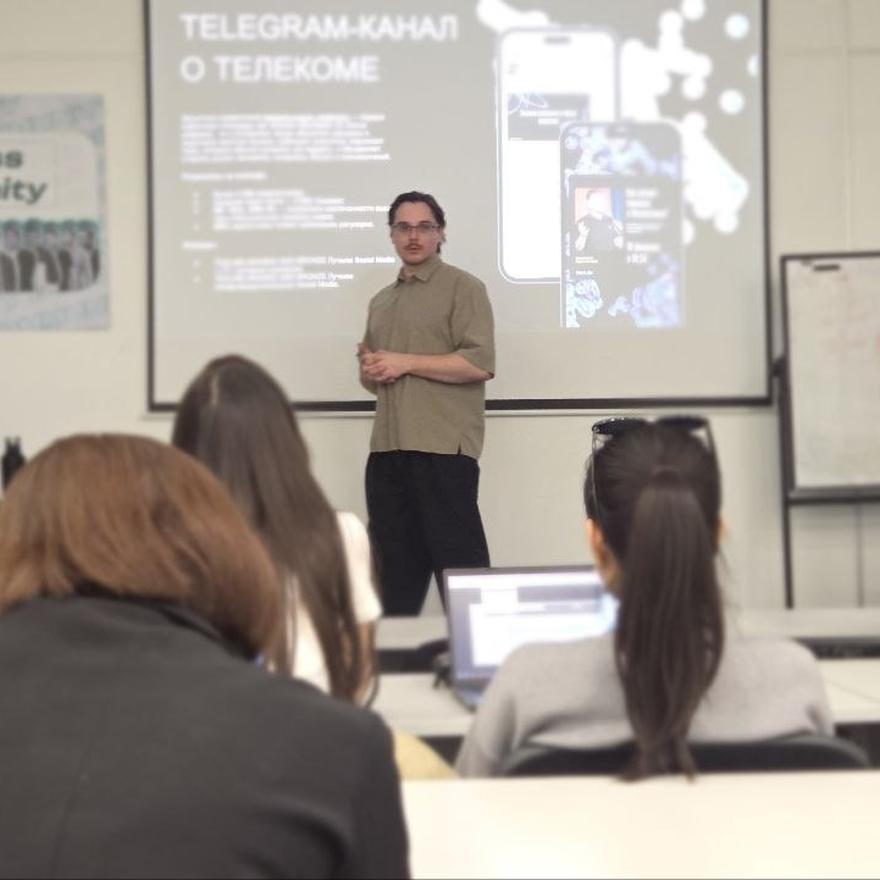
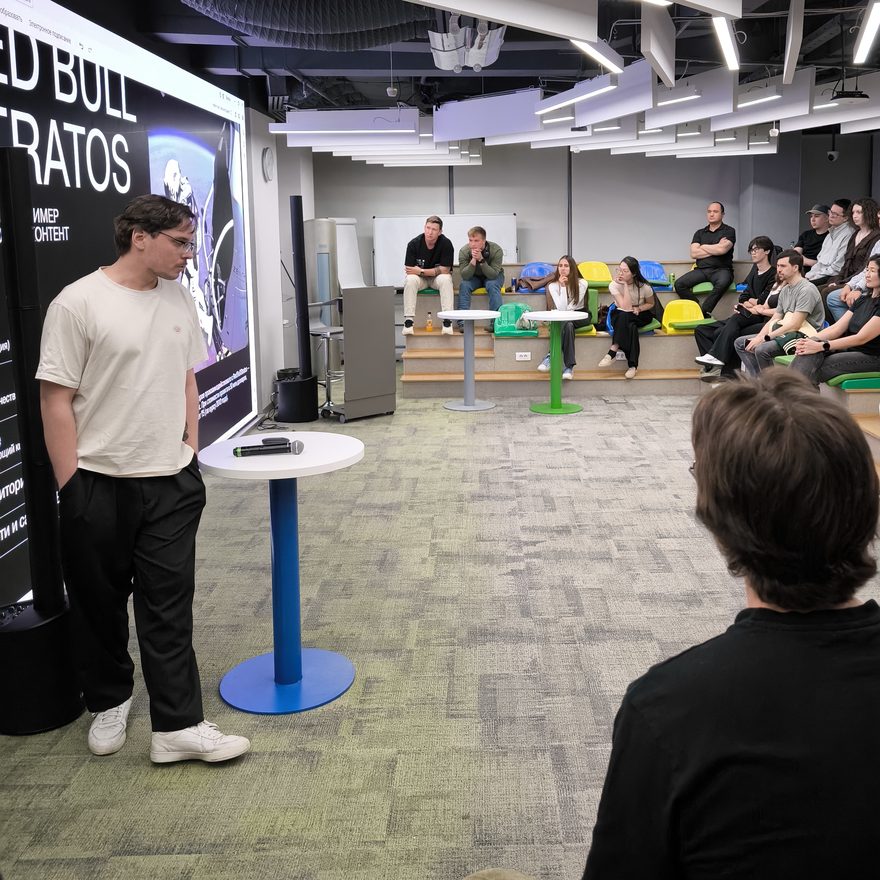
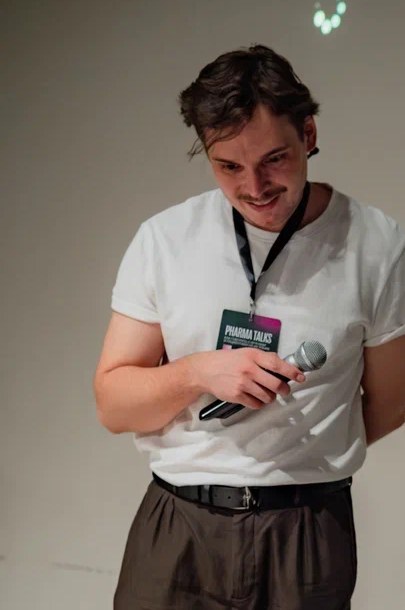
Talks and lectures by Maksim Fetisov on content marketing
I talk about content marketing using examples from the Central Asian market: with numbers, mistakes and things you can apply the very next day.
Photos from Maksim Fetisov's talks


Frequently asked questions about working with a content strategist
Who is Maksim Fetisov?
A content strategist in Kazakhstan, based in Almaty. CEO of the content marketing agency TELLER Kazakhstan. Has worked with Bayer, Yandex, VK, Freedom, Forte Bank and Magnum.
How is a content strategist different from an SMM specialist?
An SMM specialist runs the platforms: posts, replies, tracks reach. A content strategist decides what the brand says to its audience, why and where, and how to tell whether it works. Strategy first, posts second.
→
When does a business need a content strategist?
When there's plenty of content but no visible results. When you're entering a new market or city. When the product is complex and needs explaining. And before launching your own media, so you don't spend half a year's budget blind.
→
What goes into a content strategy?
A good strategy moves from the market to the numbers: context and competitors → the audience and its information needs → the big idea → channels and formats → a media plan and forecast. If the document lacks the last step, it's not a strategy but a wish list.
→
How much does a content strategist cost in Kazakhstan?
A consultation with a written plan costs 150,000 ₸, a content strategy from 1,500,000 ₸, corporate training 300,000 ₸ per session, a talk from 100,000 ₸. I name the exact price of a strategy after the first conversation, once the task and scale are clear. What content production costs in Kazakhstan, with numbers, is in the article.
→
Can you get ChatGPT to mention your brand?
Yes, it's called GEO. Essentially it's SEO for AI answers: the AI has to see your site, trust it and find confirmation about you in other sources. This website is my experiment on exactly that.
→
What does a content strategist do?
Defines what content a business needs at each stage of the funnel, in which channels and with which metrics. The goal is for content to grow sales, lower cost per lead and explain a complex product.
Which industries do you work with?
Pharma, fintech and banking, telecom and IT, FMCG and retail, cultural special projects. Most experience in pharma: newsletters for doctors and pharmacists, media for patients.
Which countries do you work in?
Kazakhstan, Uzbekistan, Kyrgyzstan, Russia, Mongolia and the Philippines. The main focus is the markets of Central Asia.
What awards have your projects received?
TELLER Kazakhstan projects where I was the strategist won two bronzes at Tagline Awards 2025: the Telegram channel bailanys was recognised as “Best Social Media of a telecom / IT / internet company” and “Best International Social Media”. In 2026, two projects were shortlisted for Kazakhstan's Aq Mergen award: “Life on Ultra” for Bayer in Marketing Communications and bailanys in “Digital: digital communications and influencer marketing”.
→
How do I book a consultation or invite you to speak?
Message me on Telegram at @maximfetisov: briefly describe the task or event, the date, format and audience.
Maksim Fetisov's contacts
- Telegram:
- @maximfetisov
- Email:
- m.fetisov@teller.studio
- LinkedIn:
- linkedin.com/in/maximfetisov
- Channel:
- @makssgoo (in Russian)
- Instagram:
- instagram.com/f.ormalin
- Agency:
- storyteller.kz
When clients come to me: problems a content strategist solves
“We have lots of content, but no idea what it delivers”
“We can't advertise directly”
“Nobody in Almaty knows who we are”
“Our audience is the C-suite, and they're impossible to reach”
“We pay for reach, and the audience leaves when the campaign ends”
“ChatGPT doesn't know anything about us”
Time zone: (GMT+05:00) Almaty
Cannot delete content_for_contents_sake.txt: the file is being used by other agencies.
Are you sure you want to shut down content marketing?
| A | B | C | |
|---|---|---|---|
| 1 | Item | Qty | Status |
| 2 | Content strategy | 1 | ✓ approved |
| 3 | Editorial policy | 1 | ✓ approved |
| 4 | Revision rounds | 2 (not 12) | ✓ approved |
| 5 | Deadline | realistic | ✓ approved |
| 6 | “Make it go viral” creative | 0 | ✓ approved for removal |
| 7 | Vintage tie for the pitch | 1 | ✓ approved |
| 8 | TOTAL | ✓ first time round |